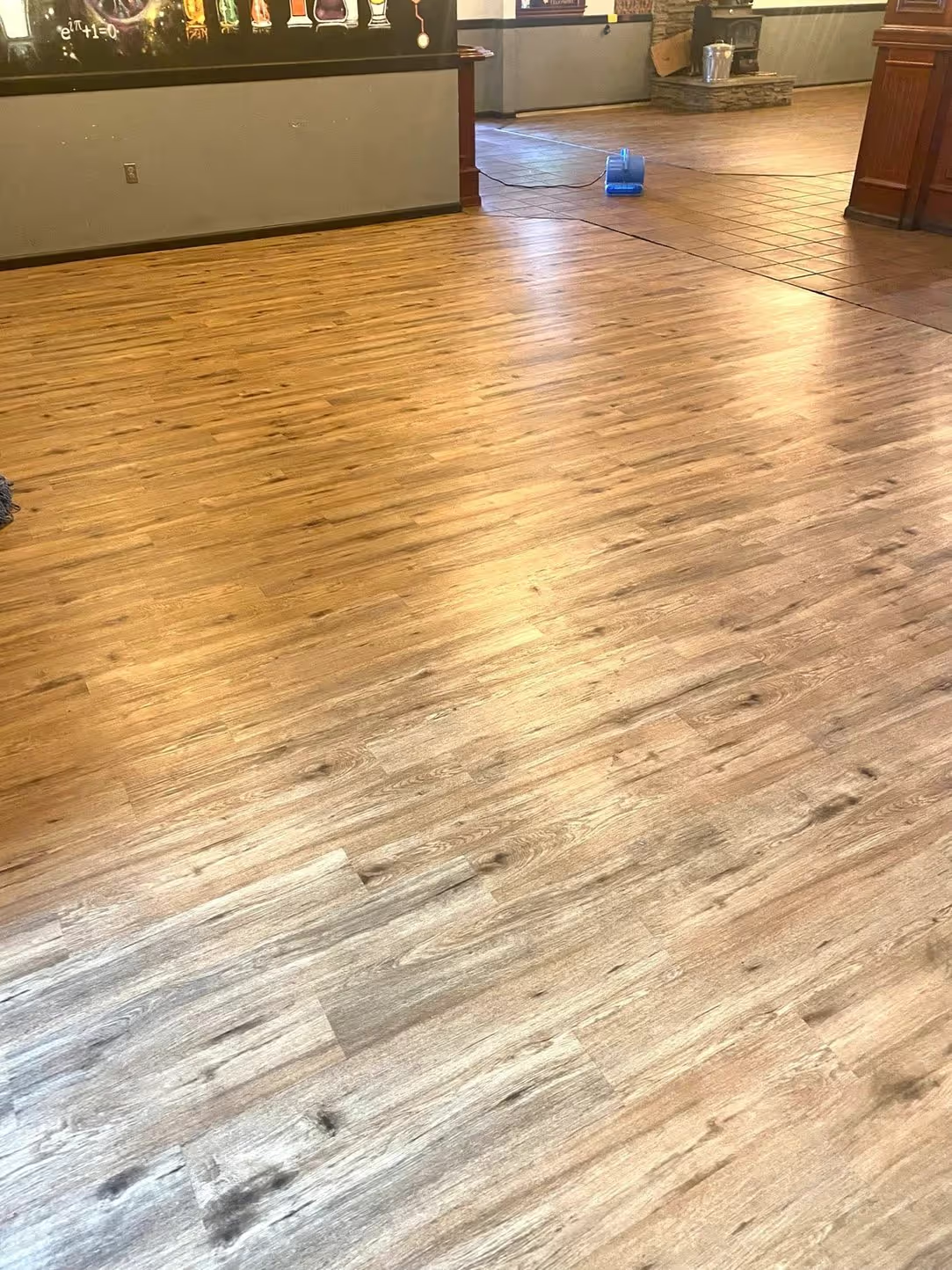
When somebody tells us their hardwood floor “needs redoing”, what they almost always mean is that it looks dull and scratched in the places people walk. That is usually damage to the finish sitting on top of the wood, not to the wood itself — and those are two completely different jobs, at two completely different prices.
The distinction that decides everything
A hardwood floor is boards with a clear coat over them. The clear coat is sacrificial: it is there to be worn instead of the wood. When it wears through in the traffic lanes, the floor looks tired, but the boards underneath are often untouched.
- Screen and recoat abrades the existing finish just enough to key it, takes out the minor scratches, and lays a fresh coat of polyurethane over the top. No wood is removed. Very little dust. Most rooms are back in use quickly.
- Full sand and refinish takes the floor back to bare wood and builds it up again. It is the only thing that removes deep damage, and it is far more disruptive.
Here is the part that matters: a board can only be sanded so many times before there is not enough wood left above the tongue. Sanding a floor that only needed a recoat does not just cost more today — it spends one of the few full sands that floor will ever get.
How to tell, roughly, yourself
Find a spot in a traffic lane and put a drop of water on it. If it beads and sits there, the finish is intact and the floor is probably just dirty. If it soaks in and darkens the wood within a minute or two, the finish has worn through at that point and the floor is due.
Then look at the scratches from a low angle. If you can catch a fingernail in one and it is pale — showing bare wood — it has gone past the finish. A handful of those can often still be handled inside a recoat. A floor covered in them, or one with gray-black water staining, needs sanding.
Water staining is its own answer
If a floor has taken water, the question is different again. Boards cup as they absorb moisture from underneath and can crown later as they dry unevenly, and a floor dried properly in the first week is very often savable when the same floor left for a month is not.
Because we do both the drying and the refinishing, a wood floor damaged in a water loss does not get handed between two companies with two opinions about whether it can be kept. We dry it, monitor it to a stable moisture content, and then decide.
In a Butte County summer, timing helps
Polyurethane needs to dry between coats, and dry heat is good for that — a refinish in July moves faster than the same job in January. Most projects are done in a day or two either way, but it is worth knowing if you are trying to fit one around a schedule.