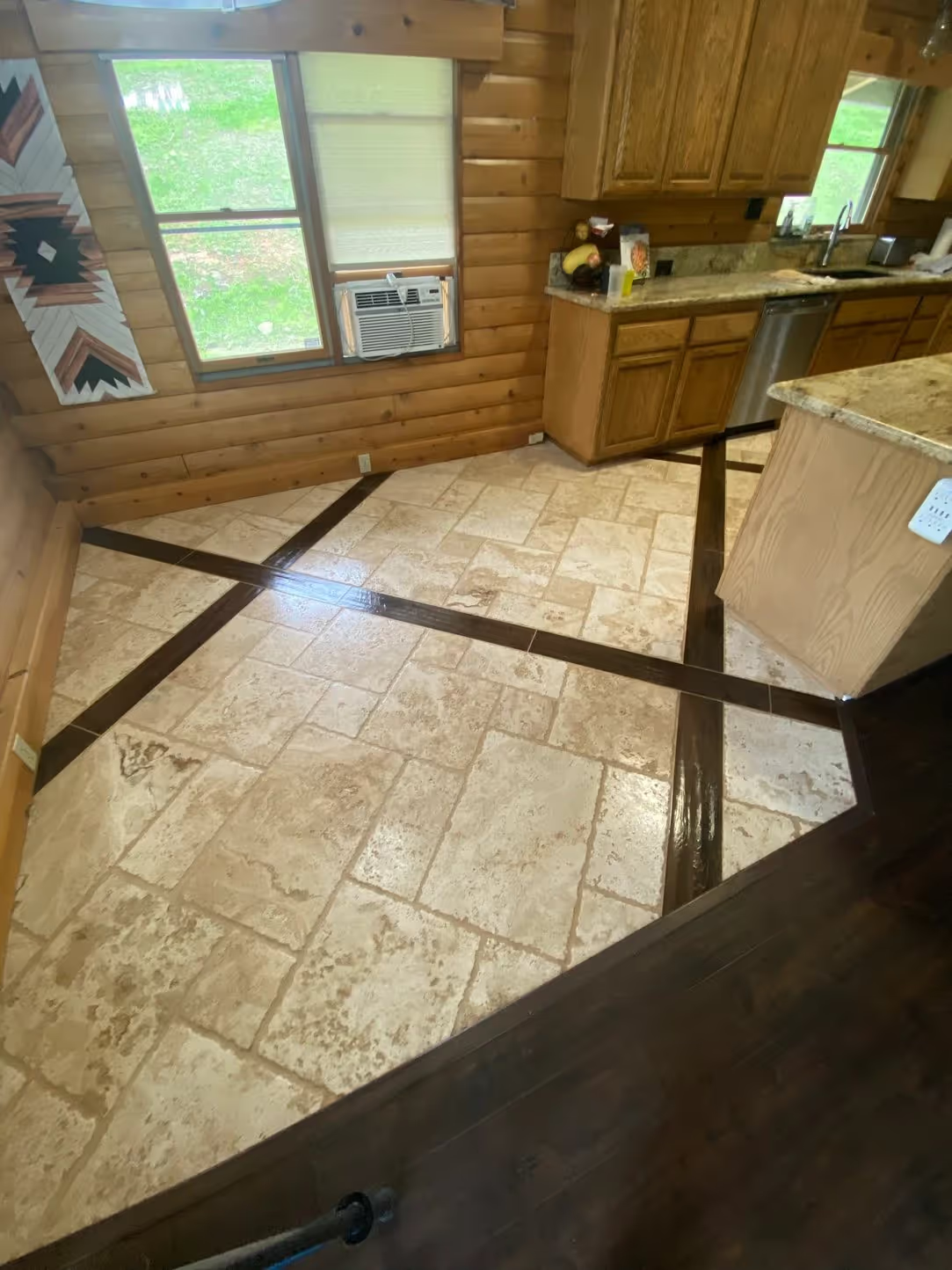
Grout is the only porous thing in an otherwise sealed floor. That is the whole problem in one sentence.
Tile is hard and non-absorbent, so everything you mop off it has to go somewhere — and where it goes is the slightly recessed, slightly absorbent line running between every tile. A mop does not remove that soil. It moves it into the joint and presses it in. Do that weekly for five years and the grout is gray, and no amount of scrubbing with a brush is going to reach what is now several millimeters down.
The Butte County version of the problem
Out on the rural parcels around Palermo, Durham and the east side of Oroville there is a second layer on top of the soil, and it is not dirt at all.
Hard well water leaves mineral deposit behind as it evaporates — in the grout line, on shower stone, around a tap. That is a color problem rather than a soil problem, and the distinction matters because scrubbing does nothing to it. Mineral has to be dissolved out chemically, and then the surface has to be sealed so the next few hundred liters of water do not put it straight back.
What works
- Hot water under pressure, with the water captured. Not a brush. A contained extraction head pushes hot water and a matched cleaning agent into the joint and pulls the soil straight back out of the building, rather than spreading it into the next room.
- The right chemistry for what is actually there. Soil and mineral scale need different agents. So do porcelain and travertine — natural stone is softer and more absorbent, and takes a gentler chemistry at lower pressure.
- Sealing. This is the step people skip, and it is the one that decides whether you are doing this again next year or in five years. A penetrating sealer soaks into the grout so the next spill sits on top long enough for you to wipe it up.
When cleaning is not enough
If grout that was originally white now reads gray right through, cleaning will lift the soil but the color will not come all the way back — the pigment change has gone into the material. That is what grout colorant is for: it re-pigments and seals the line in a single pass, and it can also change the color if you want a different one.
Most grout can be recolored with no trouble. The exception is grout that has previously been treated with a poor-quality colorant, or painted, which has to be assessed on site.
Either way, the honest first step is someone looking at it. Our tile and grout cleaning estimate is free, and it will tell you which of the three answers your floor needs.